Guided Meditation Audio for Anxiety: Calm Your Mind
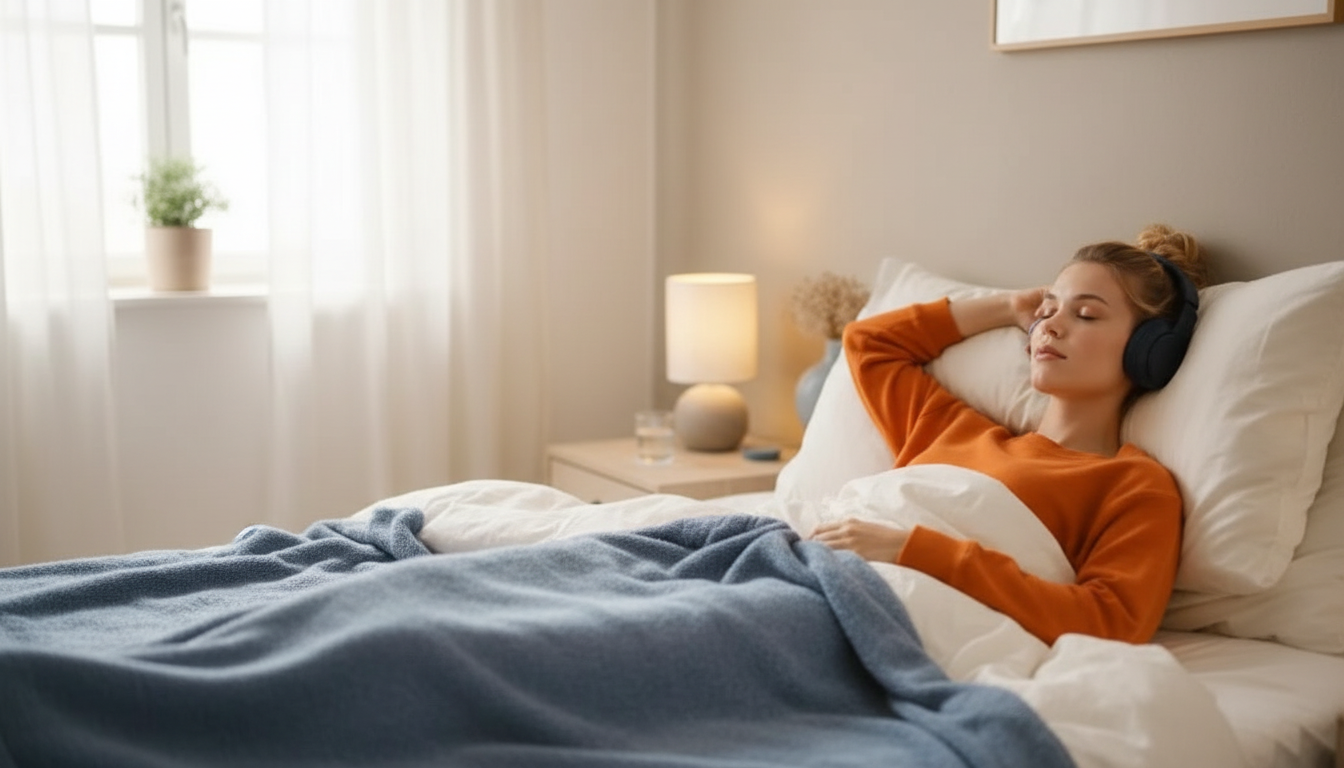
Calm Your Mind: A Guided Meditation Audio Series for Anxiety Relief
Racing thoughts, a tight chest, and the feeling of being “on” all day can make it hard to rest, focus, or sleep. A guided meditation audio series offers structure: clear cues, a steady pace, and a repeatable routine that supports calmer breathing, softer muscle tension, and a more settled mind—especially on days when it’s difficult to do it alone.
What guided meditation can do when anxiety shows up
Anxiety often arrives as both a mental spiral and a physical surge. Guided audio helps by giving the mind something steady to follow while the body starts to downshift.
- Creates a simple “next step” when the mind feels scattered (listen, breathe, notice, release).
- Encourages slower, deeper breathing that can reduce the physical intensity of stress.
- Builds attention skills: noticing thoughts without getting pulled into them.
- Supports better sleep by shifting out of mental problem-solving and into body awareness.
- Works well alongside other supports (movement, therapy, journaling, sleep hygiene).
Research and clinical guidance generally support mindfulness and meditation as helpful tools for stress and anxiety when practiced consistently and safely. For deeper reading, see the National Center for Complementary and Integrative Health (NCCIH) overview, the American Psychological Association summary, and the NHS mindfulness guide.
About “Calm Your Mind” guided meditation series (audio course)
When anxiety is loud, it can be hard to “just meditate.” The advantage of a guided series is the predictability: you press play, follow the prompts, and let the track carry the pacing until your body remembers what calm feels like again.
- Designed as an audio-led practice to help downshift from anxious activation into steadier calm.
- Useful for beginners who prefer clear guidance and a predictable flow.
- Flexible listening: practice at home, on a break, before sleep, or after stressful moments.
- Best results come from repetition—using the same track for several days to train a familiar calming response.
Calm Your Mind guided meditation audio course
Where this audio series fits best
| Situation | What to play | What to focus on |
|---|---|---|
| Anxiety spike during the day | A short guided session | Exhale lengthening and unclenching jaw/shoulders |
| Overthinking loop | A grounding practice | Naming sensations and returning to breath |
| Restlessness before bed | A relaxing wind-down session | Body scan and slower breathing rhythm |
| Low motivation or burnout | A gentle reset session | Small cues: posture, breath, one sound at a time |
A 5-minute calm-down routine using guided audio
This is a quick reset you can use with a short track (or as a lead-in before pressing play). Keep it comfortable; the goal is “safe and steady,” not “perfect.”
- Minute 1: Sit or lie down; let the eyes soften; lower the shoulders on an exhale.
- Minute 2: Inhale through the nose, exhale longer than the inhale (comfortable, not forced).
- Minute 3: Grounding: notice 3 body sensations (feet, hands, breath at the nostrils).
- Minute 4: Label thoughts briefly (“planning,” “worrying,” “remembering”) and return to the voice and breath.
- Minute 5: Choose one small next action after the track ends (drink water, step outside, write one priority).
If you tend to freeze when anxious, it can help to decide your “one small next action” ahead of time. That way, the moment the session ends, you’re not back in decision fatigue.
What tends to be most effective for anxiety: styles to try
Different meditation styles support different nervous-system states. If a track isn’t clicking, it’s not a failure—often it’s just a mismatch between the practice and what your body needs that day.
- Breath-focused guidance: best for rapid stress responses and physical tension.
- Body scan: helps when anxiety is felt as restlessness or tight muscles.
- Grounding practices: helpful when feeling spaced out or stuck in fearful thoughts.
- Loving-kindness (compassion) meditation: supports self-soothing and reduces harsh self-talk.
- Consistency matters more than intensity: short daily sessions often outperform occasional long ones.
A practical approach is to keep two “go-to” tracks: one grounding session for daytime spirals and one body-scan wind-down for bedtime. Rotating between a small set of familiar sessions can feel more supportive than constantly searching for something new.
How to get better results from a meditation audio course
Guided meditation works best when it becomes a trained response—something your nervous system recognizes. That recognition usually comes from repetition, not from one perfect session.
- Set a “minimum dose”: 5 minutes a day for 7 days before judging results.
- Use the same session repeatedly until the body learns it as a familiar safety cue.
- Pair the practice with a reliable trigger (after brushing teeth, lunch break, lights-out).
- Reduce friction: headphones ready, volume set, notifications silenced.
- If a track feels activating, switch to gentler breath pacing or a body scan and try again later.
For many people, light movement makes the meditation “stick” better. A simple plan can help remove the guesswork: Fit at Home: 4-Week Workout Plan | Minimal Equipment Exercise Guide PDF.
When guided meditation isn’t enough
FAQ
Are there any free meditations on Calm?
Availability changes based on current promotions, trials, and regional offerings. The most reliable option is to check the official Calm app or website to see what free samples or trial access are available right now.
How to Calm anxiety in 5 minutes?
Get your body settled first: lower your shoulders and lengthen your exhales, then ground your attention in a few physical sensations. Use a short guided track if possible, and repeat the same 5-minute practice daily so calm becomes easier to access.
What is the most effective meditation for anxiety?
It depends on how anxiety shows up for you, but breath-focused guidance, body scans, grounding practices, and loving-kindness are commonly helpful. The most effective choice is usually the one you can practice consistently and that reliably reduces activation.








Leave a comment